
Report: Doha Could Host Direct US-Iran Talks After Progress in Mediation
By The Israel Desk NewsroomPublished:
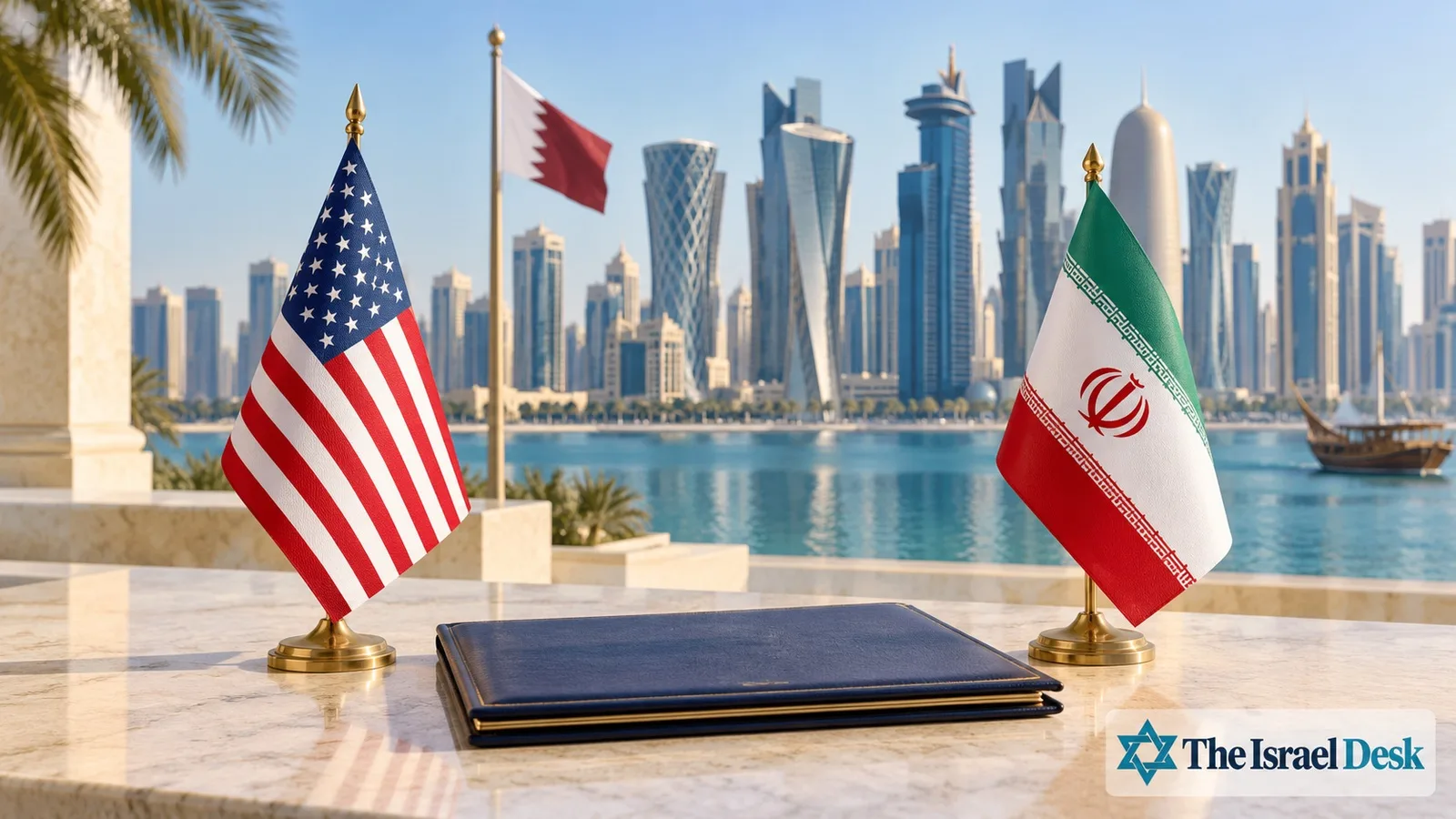
American officials are expected to meet Iranian negotiators in Doha following progress in contacts conducted through intermediaries, the Qatari newspaper Al Araby Al Jadeed reported on October 31.
People familiar with mediation by Qatar and Pakistan told the newspaper that initial understandings had been reached on the nuclear file, passage through Hormuz and economic benefits for Iran. They also identified Beijing and Moscow as prospective guarantors.
The account points to a route back to direct negotiations, rather than a comprehensive settlement. It leaves the American team's membership and the precise obligations of each side unspecified.
Rival conditions have held up negotiations
Reuters' October 30 account described opposing entry conditions. Washington wanted to include nuclear questions immediately; Iran insisted that the United States first lift its port blockade and remove sanctions restricting oil exports.
Tehran had also rebuffed a previous Qatari initiative. A senior Iranian official called it unacceptable, while Foreign Minister Abbas Araqchi said discussions with intermediaries were continuing over Iran's own proposal for a seven day process.
That history helps explain why even an initial understanding could matter. Negotiators would have a possible way into substantive discussions without first settling the entire dispute. The latest report does not, however, establish an agreed timetable for the concessions themselves.
Shipping security gives Gulf states a direct stake
The Hormuz element places the interests of neighboring countries alongside the bilateral disagreements between Iran and the United States.
Doha has asked Iran to demonstrate its commitment to stability through concrete measures. Speaking on October 27, Qatari Foreign Ministry representative Ibrahim Al Hashemi urged Tehran to stop threatening its neighbors and safeguard navigation in the waterway.
His remarks framed the mediation as an effort to resolve a broader regional crisis, with the security of surrounding states forming part of the desired settlement.
Maritime coordination had also appeared in previous arrangements. After negotiations in Switzerland, the Qatari and Pakistani governments described a communications mechanism designed to reduce the risk of incidents or misunderstandings involving merchant shipping in Hormuz.
Proposed guarantors would add another layer
The role outlined for China and Russia introduces a further question: who would ensure that any undertakings were carried out?
Al Araby Al Jadeed's sources named the two countries but supplied no explanation of their responsibilities. The report did not detail how a breach would be handled or how the promised economic incentives would be structured.
Earlier diplomacy had produced its own oversight arrangements. The framework emerging from the Swiss meetings provided for a senior political committee, with specialist groups addressing nuclear matters, sanctions and compliance disputes.
It remains unclear from the latest account whether Chinese and Russian guarantees would operate through those mechanisms or require a different system.
Qatar's contacts continue between the capitals
Axios said mediators negotiated in Tehran for over 12 hours on Friday, with more discussions planned in Doha on Saturday.
Several days earlier, Al Hashemi had said his government was still carrying proposals and diplomatic messages between the two capitals. He described encouraging movement while acknowledging that statements by both governments also raised the risk of escalation.
His stated aim was a lasting accord, pursued jointly with Pakistan and a wider group of regional and international partners.


