
Knesset Speaker Election Set for November 17 After 67 Lawmakers Demand a Vote
By The Israel Desk NewsroomPublished:
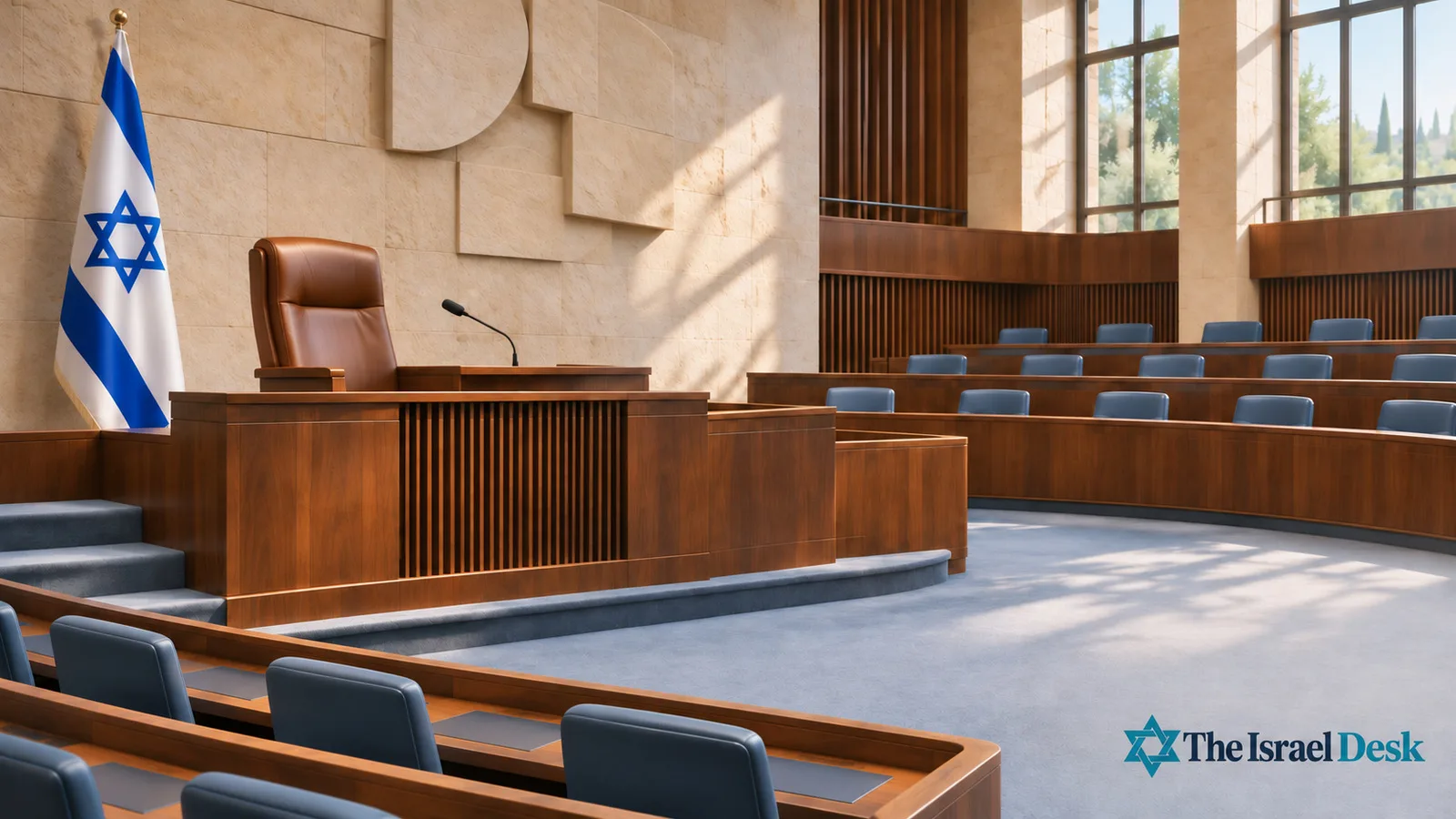
Amir Ohana has scheduled the election of the 26th Knesset's speaker for Tuesday, November 17, after receiving a formal request signed by 67 lawmakers. Walla reported his announcement on November 10: the plenary sitting will begin at 4 p.m. in Jerusalem, with a debate followed by the vote.
The Yashar faction, led by Gadi Eisenkot, submitted the signatures together with the candidacy of former minister Matan Kahana. That gives the new parliament a named candidate and a scheduled sitting for choosing its presiding officer, following the argument over when Ohana should bring the matter before lawmakers.
A majority request reaches the speaker
The number in the letter exceeds the threshold Ohana specified five days earlier. In a November 5 statement reported by JDN, he said a request bearing at least 61 signatures would trigger an earlier discussion, which he would schedule no later than one week after the request.
Sixty-one members constitute a majority of the 120-seat Knesset. The 67 signatures submitted on November 10 therefore passed that threshold, and the November 17 sitting falls within the promised week. The commitment concerned the latest date for scheduling the discussion; it also allowed an earlier sitting.
The new step is concrete: the majority request has been delivered and the speaker has fixed a date. The signatories still have to cast their votes in the election. Their support for putting the issue on the agenda does not itself elect Kahana.
The rule behind the 61-member threshold
The Knesset's published rules explain why a majority request carries weight. A footnote to section 2 cites the High Court's March 2020 decisions in case 2144/20, stating that a speaker serving under continuity arrangements must convene the chamber to elect a permanent speaker when 61 lawmakers request it.
The same section says the speaker must be elected no later than the sitting convened to establish the government. If both procedures are scheduled for that sitting, the speaker is chosen first. The rules therefore provide an outer deadline linked to government formation while the court precedent addresses a majority demand for an earlier election.
Ohana's promise of a discussion within one week appeared in his November 5 statement. The parliamentary rule and the promise supply different parts of the mechanism: the majority's right to have the election brought forward and the timetable he undertook to follow.
From a faction letter to a formal candidacy
The earlier request came from Yisrael Beytenu. JDN reported that faction chairman Oded Forer wrote on behalf of its seven lawmakers, seeking an election at the opening sitting of the 26th Knesset. That letter did not name a candidate.
Ohana responded by asking for a request backed by at least 61 members. The November 10 submission changed both elements: it carried a parliamentary majority's signatures and formally proposed Kahana, according to Walla.
The request was submitted on the day the new Knesset opened. Lawmakers took their oaths at a ceremony attended by President Isaac Herzog, Prime Minister Benjamin Netanyahu and Ohana. The speaker election was assigned its own sitting a week later.
Ohana objects to the proposed political course
In the announcement carried by Walla, Ohana criticized electing a speaker before the government is sworn in. He argued that the emerging coalition intended to advance legislation giving the attorney general greater powers and deepening an imbalance between elected officials and the civil service.
That is Ohana's explanation of the move's purpose. The procedural action he announced was to convene the debate and election despite his opposition. He said he would honor the wishes of the parliamentary majority, repeating the undertaking he had given before the signatures arrived.
The dispute concerns an office with direct responsibility for parliamentary business. Section 6 of the Knesset rules assigns the speaker responsibility for managing the legislature's affairs and representing it externally. Choosing the presiding officer sets the leadership of the chamber as the new parliament begins its work.
What is scheduled for November 17
Ohana's announcement places the opening of the sitting at 4 p.m. Israel time. The debate comes first, so that time is the start of proceedings rather than a separately fixed moment for casting ballots.
Section 2 provides for an open election of the speaker. Kahana's nomination and the 67-signature request establish the contest's starting point; the vote in the chamber will determine who takes the chair.