Israeli sport carries a geographic oddity on its back: a Middle Eastern country that competes in Europe. Behind that oddity sit a basketball dynasty, a soccer culture of magnificent heartbreak, Olympic judo medals and a security file that travels with every delegation. This page is the background to the section's news.
Why Europe
Israel joined Asian sports bodies after independence, but Arab and Muslim states' refusals to compete led to its expulsion from the Asian Football Confederation in 1974. After years in limbo, Israeli sport found a home in Europe: UEFA admitted Israel in the 1990s, and today Israeli clubs play European qualifiers, the national teams play European championships, and Israeli athletes compete in European federations across most sports. The move saved Israeli sport and set its ceiling, because qualifying out of Europe is the hardest route in the world.
Basketball: the dynasty
Basketball is where Israel has won. Maccabi Tel Aviv has taken multiple EuroLeague titles, the first in 1977, when its captain declared "we are on the map," a sentence Israelis still quote, and remains the club with the largest following. Israeli players have reached the NBA, from Omri Casspi, the first Israeli drafted into it, to Deni Avdija. European game nights in Tel Aviv are a national ritual.
Soccer: the heartbreak
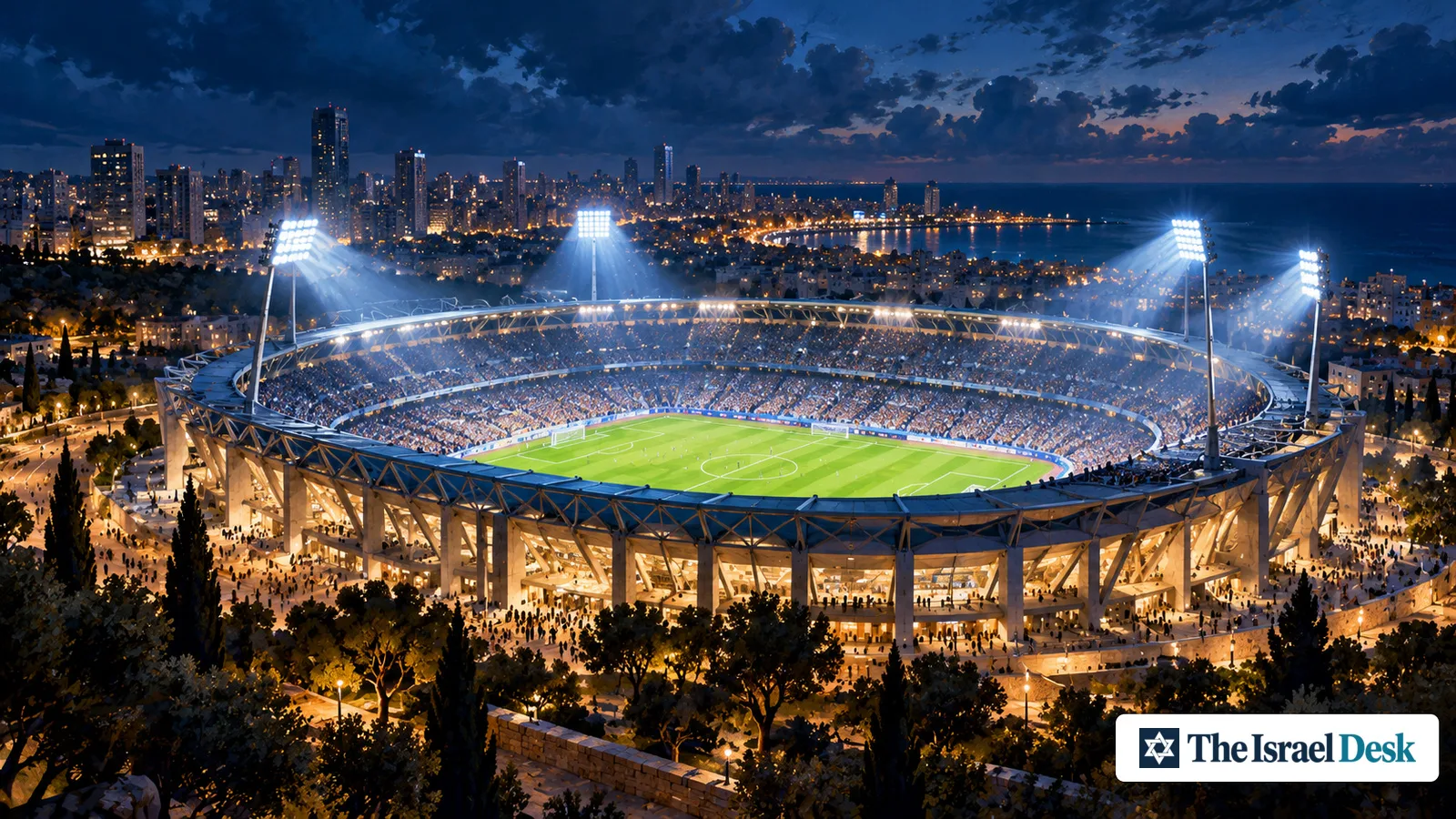
Soccer is the biggest sport and the longest wait. Israel reached its only World Cup in 1970, held Italy and Sweden to draws, and has chased a return for half a century. The domestic league runs on fierce city rivalries, Maccabi and Hapoel Tel Aviv, Maccabi Haifa, Beitar Jerusalem, each with its own politics and crowd culture. The failures to qualify are a recurring national conversation, and this section will cover each campaign as the drama it is.
The Olympic file
Israel's Olympic history is framed by grief and late triumph: the 1972 Munich massacre, in which Palestinian terrorists murdered eleven Israeli team members, shadows every Games. The first medals came in 1992, the first gold in windsurfing in 2004, and judo and gymnastics have since become the reliable engines, with artistic gymnastics and rhythmic medals joining the judokas' haul in Tokyo and Paris.
Politics in the stands
Israeli sport is never fully separable from the conflict. Opponents occasionally refuse to compete; Israeli athletes have won medals against rivals who would not shake hands; away games are security operations, and in tense periods European fixtures move to neutral grounds or empty stadiums. Campaigns to expel Israel from international sport surface in every war round and have so far failed. When this section covers a match played behind closed doors, that is the context arriving with the final score.